
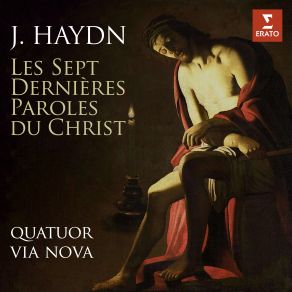
Haydn: Les Sept Dernieres Paroles Du Christ, Op. 51 by Quatuor Via Nova is presented here as a detailed music album page It is meant to give search engines and visitors a fuller explanation of the release without adding invented review claims.
The listing is organized around release year 2022, genre area Classical, 9 tracks, total running time 58:37, and cover artwork available. This gives the page enough context to describe the release in a natural catalog style.
The song section includes titles such as Die Sieben Letzten Worte Unseres Erlosers Am Kreuze, Op. 51, Hob. XX / 1B: Introduzione. Maestoso Ed Adagio, Die Sieben Letzten Worte Unseres Erlosers Am Kreuze, Op. 51, Hob. XX / 1B: Sonata I. " Pater, Dimitte Illis, Quia Nesciunt, Quid Faciunt ", Die Sieben Letzten Worte Unseres Erlosers Am Kreuze, Op. 51, Hob. XX / 1B: Sonata II. " Hodie Mecum Eris In Paradiso ", Die Sieben Letzten Worte Unseres Erlosers Am Kreuze, Op. 51, Hob. XX / 1B: Sonata III. " Mulier, Ecce Filius Tuus ", Die Sieben Letzten Worte Unseres Erlosers Am Kreuze, Op. 51, Hob. XX / 1B: Sonata IV. " Deus Meus, Utquid Dereliquisti Me? ", Die Sieben Letzten Worte Unseres Erlösers Am Kreuze, Op. 51, Hob. XX / 1B: Sonata V. " Sitio ", Die Sieben Letzten Worte Unseres Erlosers Am Kreuze, Op. 51, Hob. XX / 1B: Sonata VI. " Consummatum Est ", and Die Sieben Letzten Worte Unseres Erlosers Am Kreuze, Op. 51, Hob. XX / 1B: Sonata VII. " Pater, In Manus Tuas Commendo Spiritum Meum ". These titles make the page specific to this album rather than a generic music category.
The page can also be read through the track durations: Die Sieben Letzten Worte Unseres Erlosers Am Kreuze, Op. 51, Hob. XX / 1B: Sonata III. " Mulier, Ecce Filius Tuus " is one of the longer tracks at 8:31 and Die Sieben Letzten Worte Unseres Erlosers Am Kreuze, Op. 51, Hob. XX / 1B: Il Terremoto. Presto E Con Tutta La Forza is one of the shorter tracks at 1:53. The duration notes keep the text factual and tied to the actual track table.
As a catalog entry, Haydn: Les Sept Dernieres Paroles Du Christ, Op. 51 is described through its visible facts, its tracks and the metadata already available on the page. Because the text is stored after the first visit, the page keeps a consistent description over time.